
How to choose better bread. What's really in your loaf?
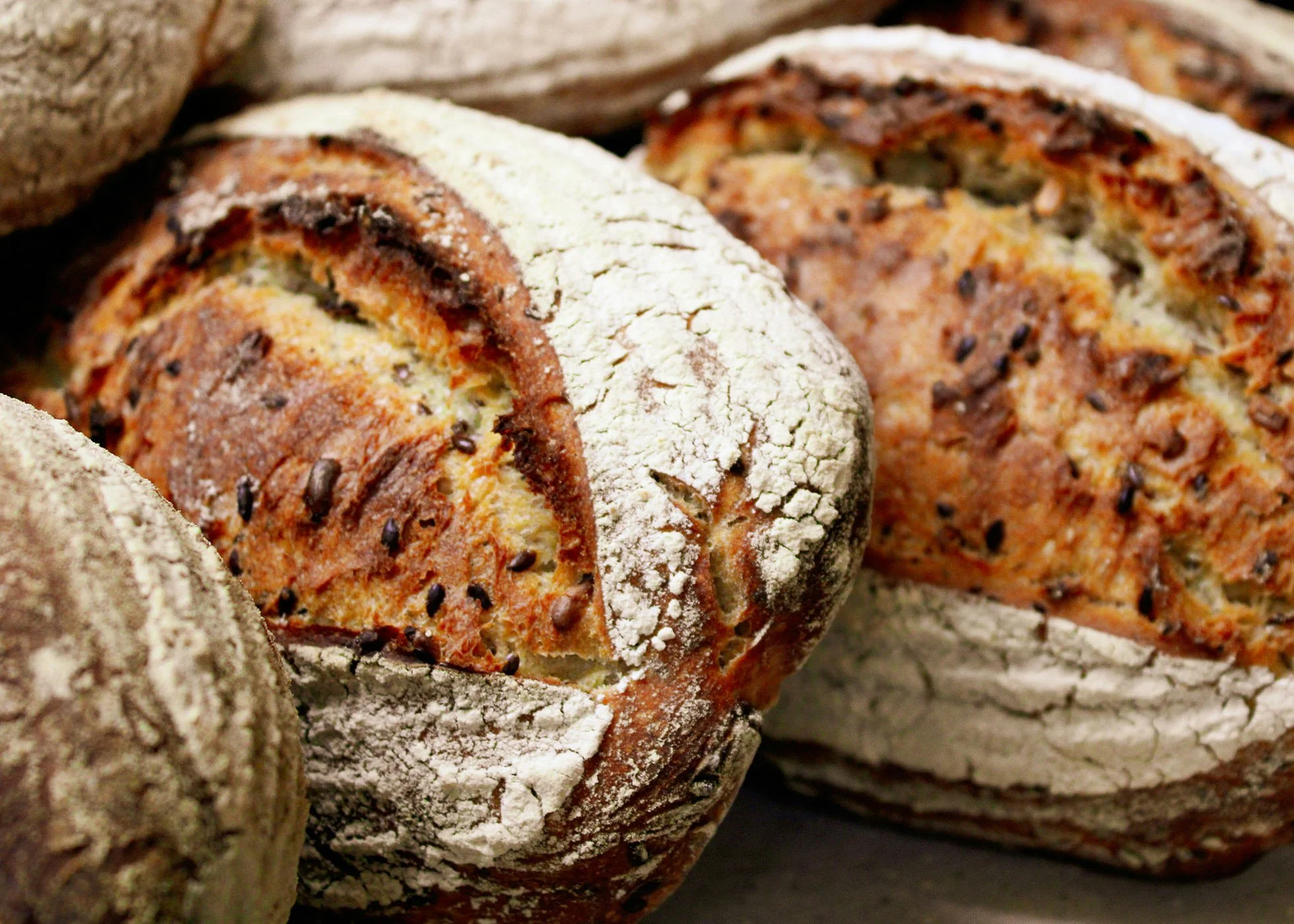
Why does bread have such a bad reputation?
Most of us have been told at some point that bread is bad for us. But the real question isn't whether to eat bread, it's how to choose better bread in a world where loaves have very little in common with what our ancestors were eating.
Why eat bread if it means eating carbs? In fact why have something without any nutritional value? But what might surprise you about wheat is that it’s almost a complete food, it’s high in protein, it’s high in fibre & it contains many of the nutrients like B vitamins, iron, magnesium, zinc & antioxidants we need to survive. Our ancestors thrived on wheat so why does bread have such a bad reputation?
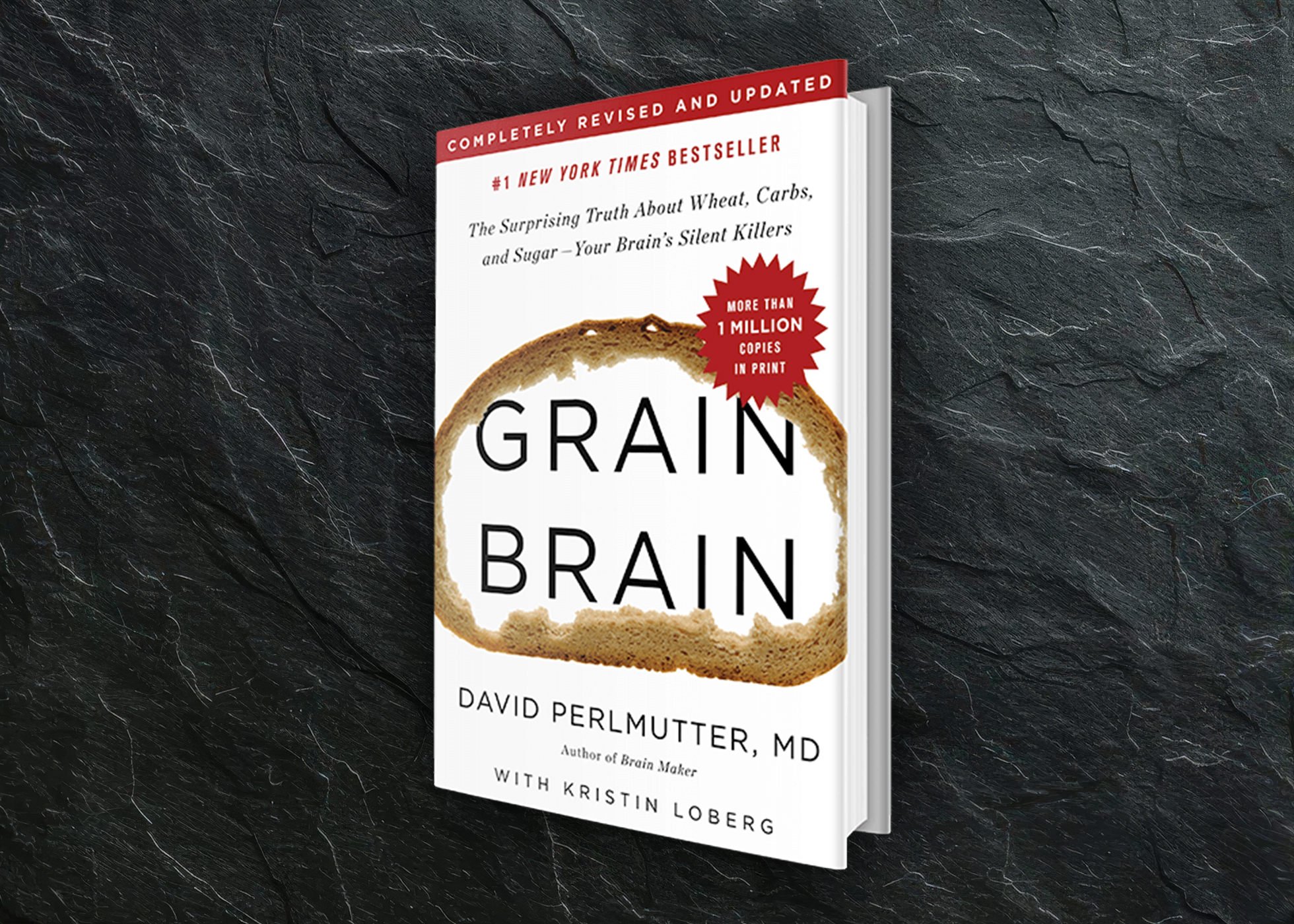
There are plenty of doctors who tell you to avoid carbs, like Dr David Perlmutter in his book Grain Brain. But there’s also people like Tim Spector, co-founder of ZOE, one of the largest nutrition science projects ever conducted, who talk about the importance of grains for a balanced diet & he’s measuring the impact on your gut so he’s probably worth listening to. So who do you trust?
It’s worth remembering that when it comes to supermarkets they’re designed to maximise profit & shelf life so flavour & nutrition aren’t always their main concern. Artisan bakeries can definitely be better but there’s more to it.
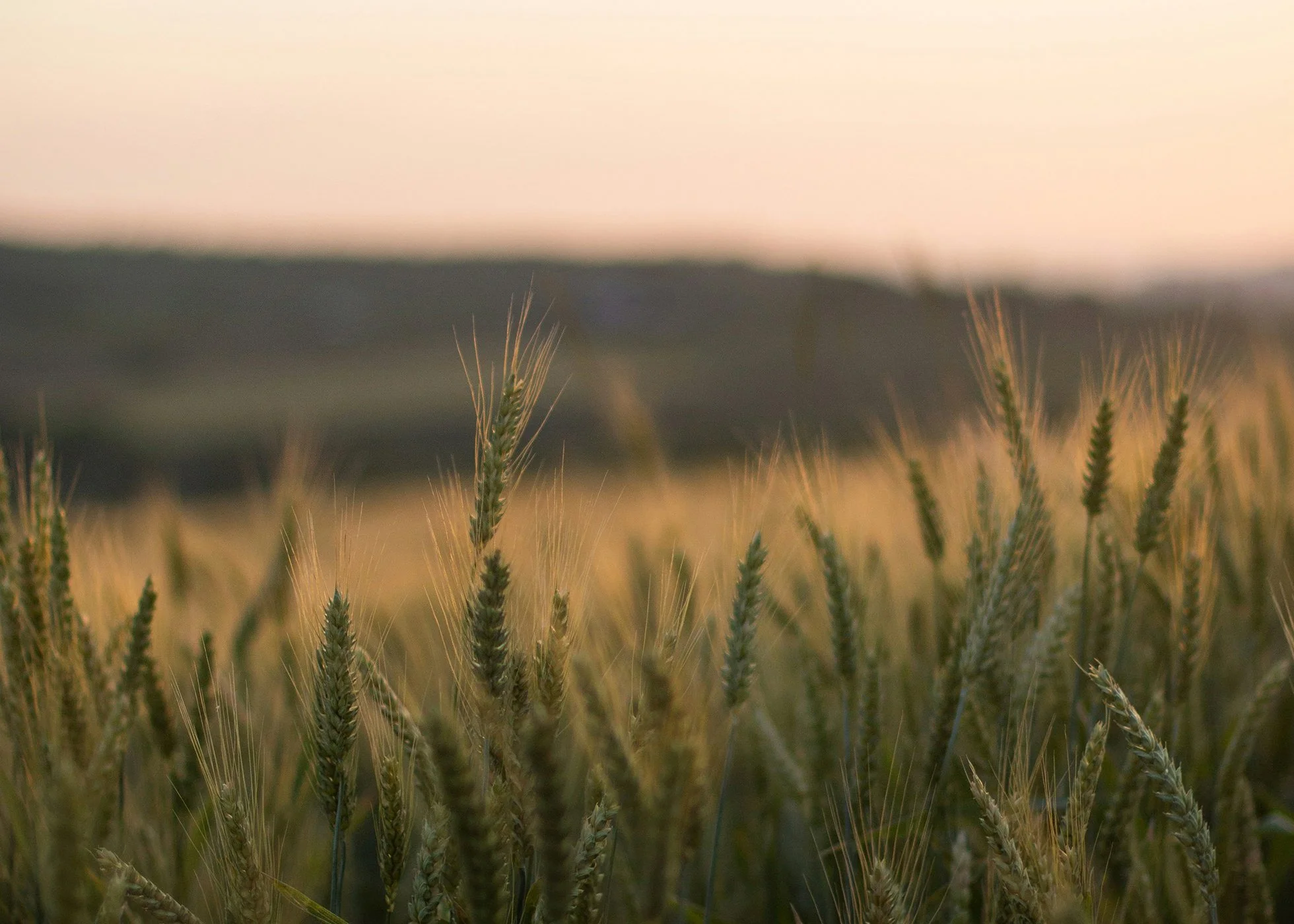
We've been eating wheat for longer than you think
We have a long history of eating wheat. Stonehenge was being built 5000 years ago & we’ve been cultivating wheat for at least 5000 years before that & eating bread for even longer. Even before cultivation kicked in we have a history of eating wheat that goes back at least 20k years & there’s some evidence to suggest even as far back as 100k years.
Our ancestors had no problem with eating wheat & in fact when you look at the nutrient profile, it’s nutrient dense containing essential micronutrients like zinc, magnesium & plenty of fibre. You could make wheat a key part of a well balanced diet & be very healthy.
Many years ago I spoke to a master baker who said that when he makes real sourdough bread it’s tolerable for almost everyone who believes they have a gluten intolerance. Admittedly that’s anecdotal but if you keep reading you’ll see all wheat is not equal.
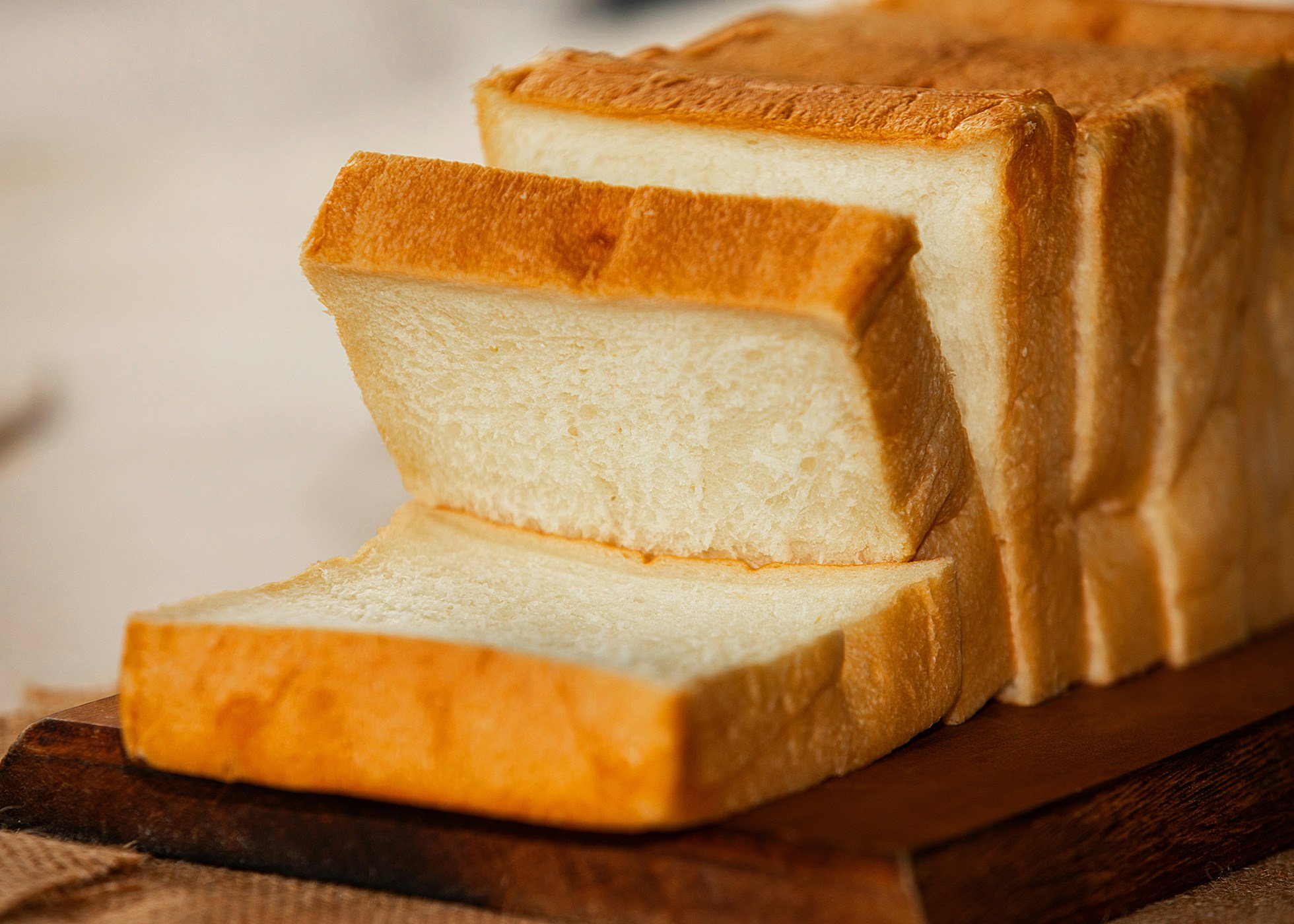
Cheap bread but what’s the cost?
If you’re reading this you’ve probably heard of the Chorleywood Process but have you ever seen it in action? To make traditional bread using yeast you need two rises over a couple of hours. Using the Chorleywood Process you can do the same in 45 mins.
Traditional bread making using yeast allows time to break down anti-nutrients like phytic acid & short-chain carbohydrates, even the gluten starts to be broken down. Sourdough is an even longer process & is even better at making the bread easily digestible, with the nutrients becoming readily available when we eat it.
But the Chorleywood Process requires twice as much yeast as well as additives like emulsifiers, preservatives, added enzymes & ascorbic acid. It’s worth noting that ascorbic acid sounds like vitamin C because it’s technically the same molecule but in industrial bread making it’s added to keep the bread’s structure during the very high speed process, it’s not an ingredient for your benefit. Also, because the process is so quick it doesn’t allow time to break down the anti-nutrients.
Breads fermented by traditional long fermentation & sourdough are less likely to lead to IBS compared to Chorleywood type bread. Basically bread made at a more traditional length of fermentation & without a cocktail of chemical inputs is less likely to lead to digestive problems.
Not all wheat is created equal
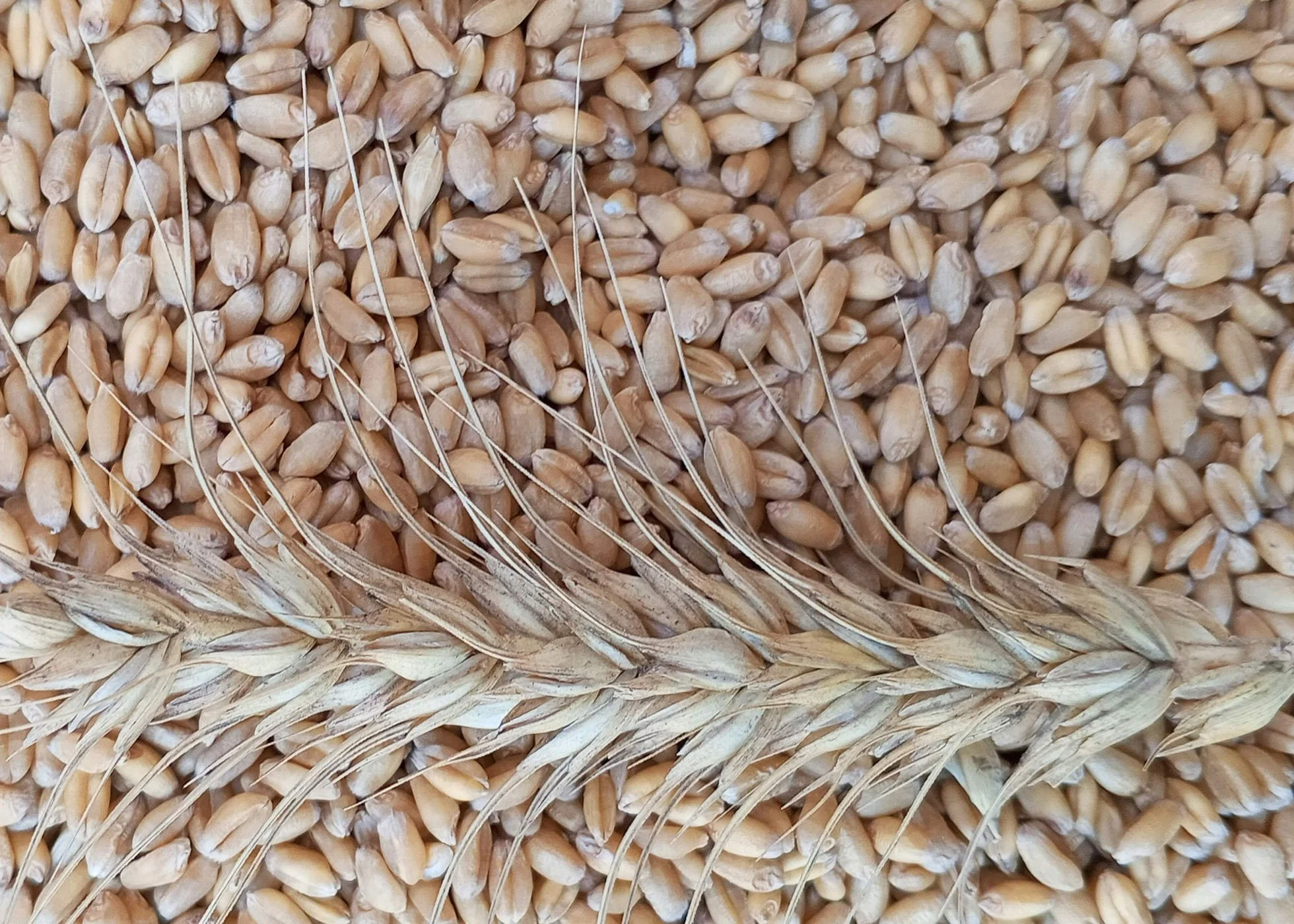
Not all varieties of wheat are equal. Ever heard of heritage or ancient grains? Ancient grains produced wheats growing up to 160cm tall. Whereas modern wheat was bred to be much shorter at about 70cm so it’s less likely to blow over & it’s easier to harvest.
The shorter modern wheat also puts less energy into growing the stalk so it can put energy into the grain & energy here means higher carbohydrates not more nutrients. To get wheat to grow quickly it’s fed with a cocktail of chemicals & surprise surprise, when you feed wheat on a bunch of stuff it’s not meant to ever go near the result is a kernel that looks like wheat but doesn’t carry the nutritional content of ancient or heritage wheat.
A quick footnote, ancient grains are varieties that were completely wild like Einkorn, Spelt & Emmer. Heritage grains have had some selective breeding but were around before modern bio-engineering came in.
Who benefits from GMO wheat?
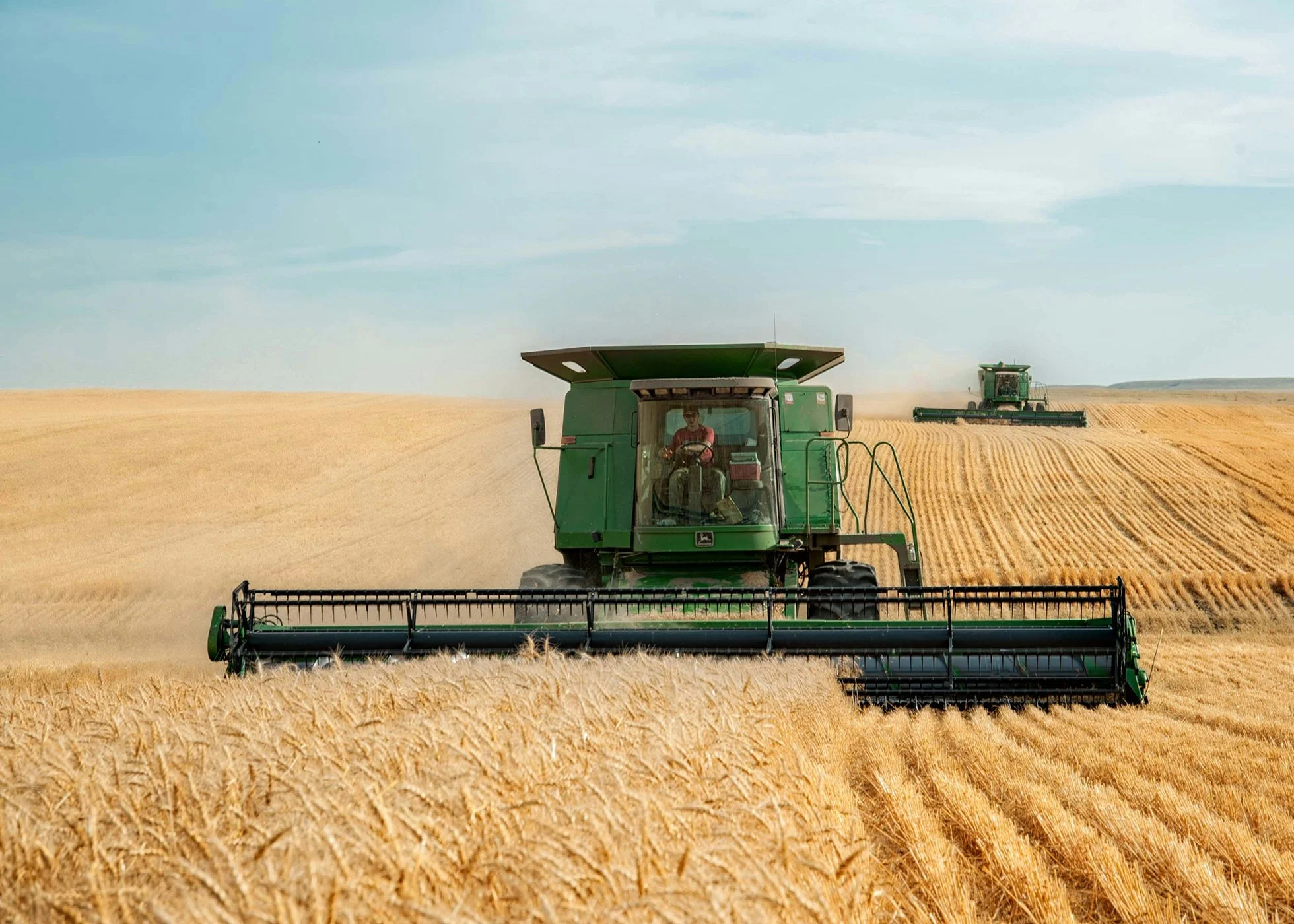
Currently GMO wheat is a small proportion of wheat grown around the world. Are GMOs bad you ask? Well before you get into whether GMOs are good for you or you consider the politics, the impact on the ecosystem & the financial impact on farmers, ask yourself who really benefits from GMOs? To give you a clue…it isn’t the farmer, the land, the ecosystem or the consumer.
One of the current strains of GMO wheat called HB4 wheat was designed to be resistant to a herbicide called glufosinate, meaning more glufosinate could be sprayed without affecting the wheat. Glufosinate is banned in the EU because even low doses have been linked with abnormal brain development & autism like behaviour in animals, findings serious enough for the EU to ban it entirely. A 2026 study also linked glufosinate with birth & developmental defects.
GMO crops also require farmers to purchase fresh seeds every season from the GMO patent holder & cost significantly more than conventional wheat varieties. So GMO means farmers pay more for seeds to the big multi nationals & they pay every season. Farmers also pay more for chemical inputs because HB4 wheat was designed to be resistant to glufosinate.
You might be interested to know that the approval process for HB4 wheat in Argentina, Brazil & Paraguay was condemned by the non-profit GRAIN as being based solely on studies provided by the manufacturer & confidential documentation.
This isn’t even getting into whether or not GMO crops are safe to eat, which is a whole other conversation & one that should definitely be had but not here.
The chemicals that aren’t on the label
Wheat is one of the crops with the highest number of pesticides used on it. A typical crop might be sprayed with pesticides, herbicides, fungicides, desiccants & plenty more. Look below to see what a crop might be sprayed with & this isn’t an exhaustive list by any means. PAN UK’s analysis of a 2014 DEFRA study showed that over 60% of bread samples contained pesticides.
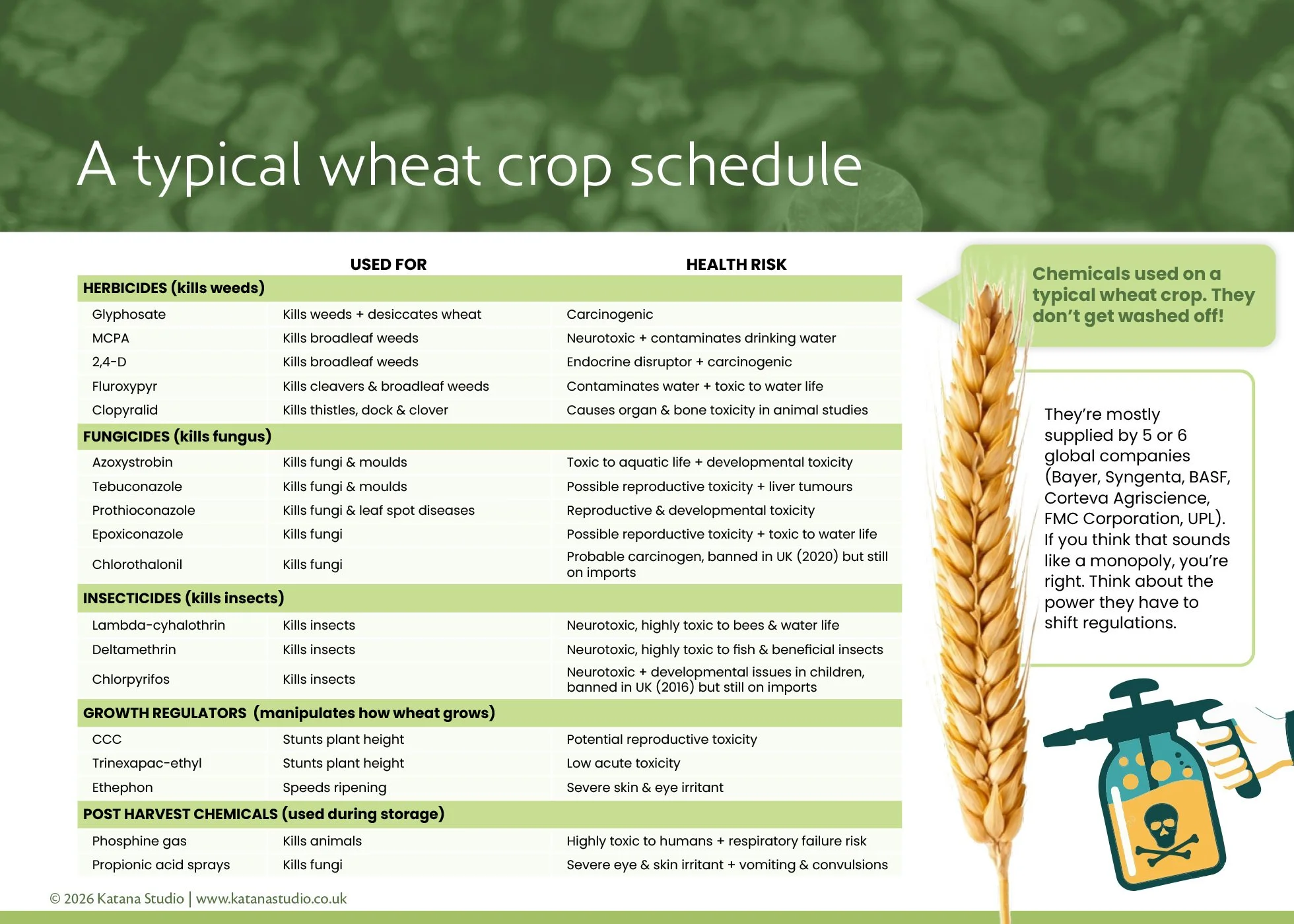
But pesticide usage continues to go up every year & a more recent government study from 2021 showed that 50% of bread & bread products like crumpets, scones & muffins contained 2 or more pesticides. Of the 11 pesticides found, that included 5 with links to cancer.
Glyphosate, which is its own horror story when it comes to health & ecosystem, is a probable carcinogen for humans & a confirmed carcinogen for animals for a start, is used as a pesticide but also sprayed just before harvest because it helps dry the crop & makes harvesting easier. That’s why it shows up in most bread samples tested.
While pesticide usage goes up each year, the independent body responsible for monitoring how much pesticides are on your food is being shut down. Does that seem at all strange to you?
Real bread is very different
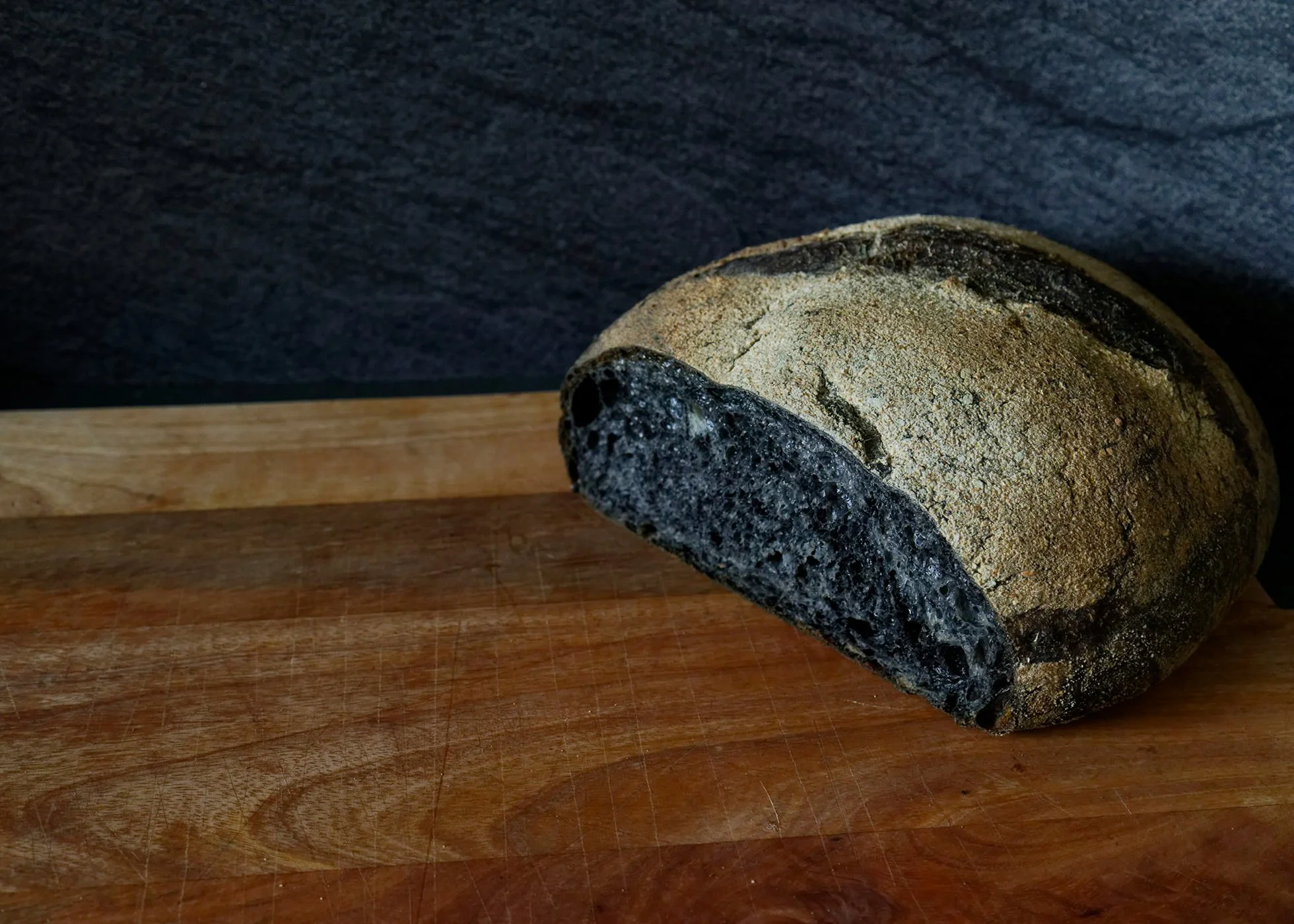
Zoe tells us how important it is to eat live fermented foods like sauerkraut & kefir in order to maintain good gut health, with the emphasis on live. Sourdough bread though, is baked at a temperature that kills off any of the healthy bacteria so doesn’t that turn it into a nutrient dead, carb bomb? It turns out even after baking, sourdough bread still keeps plenty of benefits.
It still contains prebiotics, fibre, has a lower glycaemic index & because of the longer fermentation, anti-nutrients like phytic acid, gluten & enzyme inhibitors (compounds that slow or stop digestion) are easier to digest so overall it’s still a great choice for gut health, not just a more complex tasting loaf. If you want to lower the blood sugar hit even further try freezing your bread before eating or toasting because it can reduce glycemic index by 40%.
Where did all the nutrients go?
I’ve had my fair share of white bread & honestly, I’ve enjoyed it. But white bread behaves close to sugar once you start to digest it. Try chewing a piece of white bread for 30 seconds, it’ll start to taste sweet in your mouth as your saliva starts breaking down starches into sugars like maltose. White flour might make a great loaf but almost all the nutrients are in the wholemeal flours.
You’ve probably seen in ingredient lists that flour has several nutrients added to fortify the flour like calcium carbonate, iron, niacin, thiamin & folic acid. White flour processing removes these so in the UK we’re legally required to have them added back in.
But that’s a bit like crashing your car and replacing it with a plastic toy version & there’s no evidence that those added nutrients are absorbed fully. Even the government’s own advisory committee suggested the overall benefit to consumers is uncertain. I know a wholemeal croissant doesn’t have the same appeal of a flaky, pure white croissant so it’s about choices.
A simple guide to finding better bread
Ok, so hopefully you can see that bread itself might not be the bad guy. The picture is much more complex. But how do you know you’re getting a good loaf? Here’s my top tips:
1. Check the ingredients. Real bread needs nothing more than flour, water, salt & either a sourdough starter or yeast.
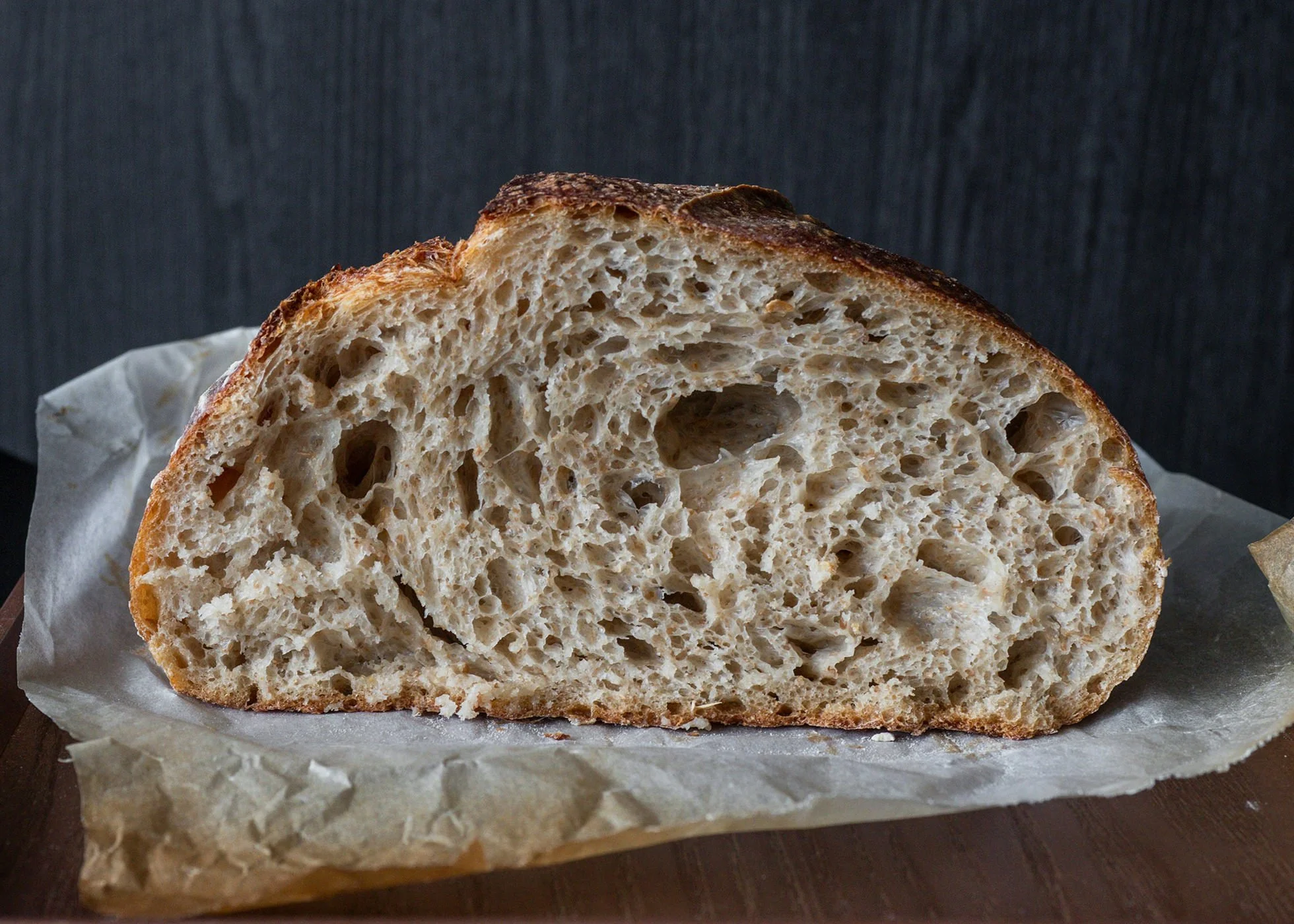
2. Look at the texture. You want to see a thick crunchy crust that crackles when you push into it. The crumb inside should have uneven sized holes, which is a sign of the natural fermentation process.
3. Have a good sniff. You want to get a slightly tangy, nutty smell, especially if it’s sourdough. If it smells bland or there’s a strong yeast smell, it might not be fresh or naturally fermented.
4. Use your eyes. Take a look at the appearance & shape. A good loaf of real bread will be made by hand so each loaf probably won’t be a perfect match.
5. Where to buy. Although there probably are some real breads in your supermarket, you’ll be in a much stronger position if you can talk directly to your baker. Buying bread from farmers markets, independent bakeries & asking for some background information on the flour used & the amount of time fermenting will give you a good idea of how carefully it’s been made.
Conclusion
Bread itself probably isn't your problem. We've been eating it for thousands of years without any trouble. The problem is what modern farming & industrial processing have done to it. Once you know how to choose better bread, what to look for, where to buy it & what to ask your baker, you're already most of the way there. Your gut will definitely thank you.