
How to buy better apples - What a heritage grower taught me
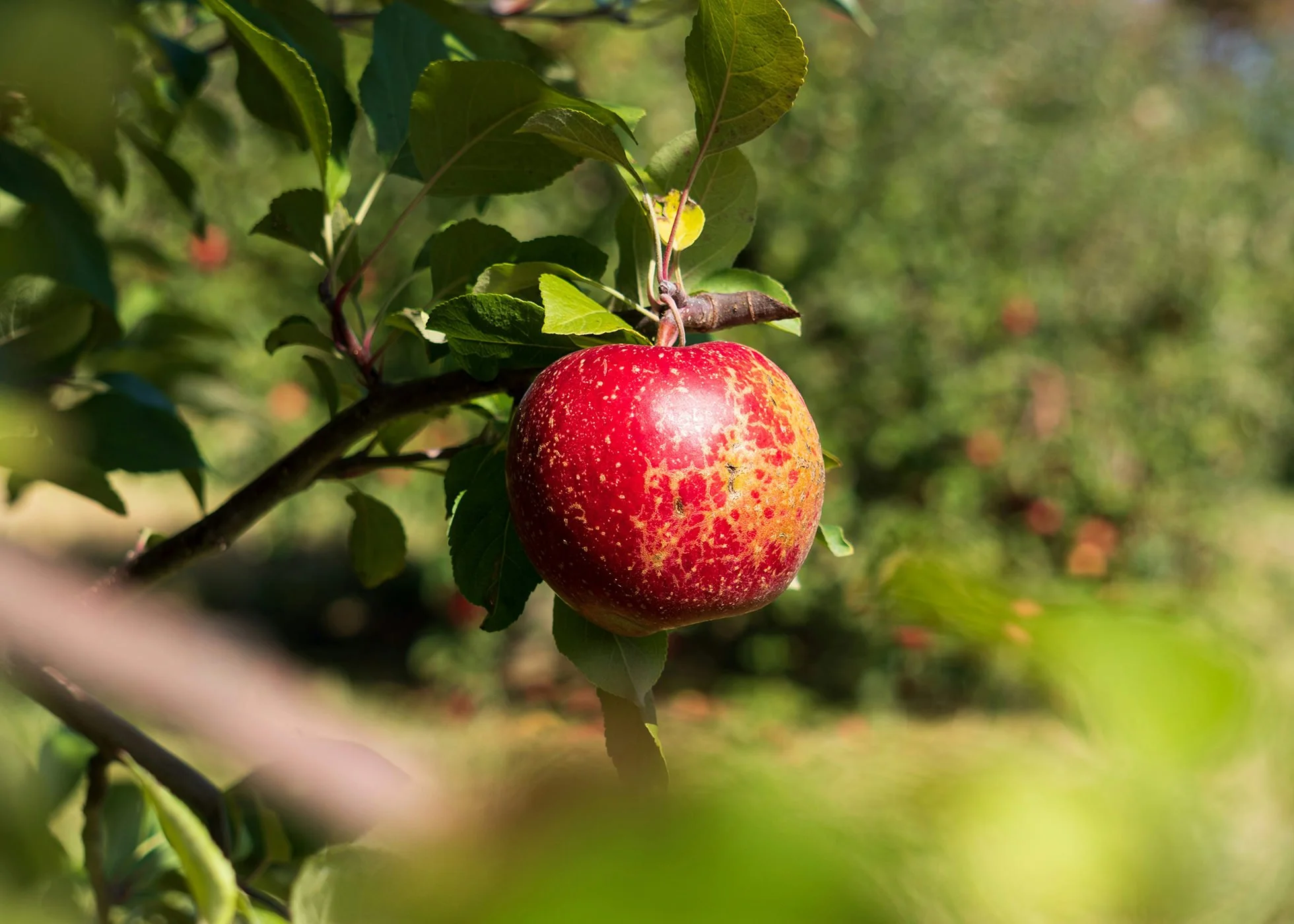
I'm a big fan of apples. I eat them because I like them but also I’d grown up believing “An apple a day keeps the doctor away”. I was lucky enough to speak to Julie Bailey, who owns an apple orchard in the Tamar Valley & what she told me completely changed how I see apples now.
Even though apples originated in Kazakhstan they grow really well here in the UK. At Brogdale, the UK’s National Fruit Collection, they grow over 2000 varieties of apples. But strangely, we still import a huge amount of apples.
We have 2,000 apple varieties - we only eat about 8
During autumn the UK is producing its highest number of apples, yet we still import over half our apples at that time. In spring & summer that goes up as high as 70%. That might not sound terrible but when you look at all the imported apples, they consist of just about 8 varieties & you’ll probably be able to name all of them like Jazz, Pink Lady, Granny Smith, etc. Incredibly almost half of the apples sold are Gala & Braeburn. The sad part is there are hundreds of traditional UK varieties with way more interesting flavours.
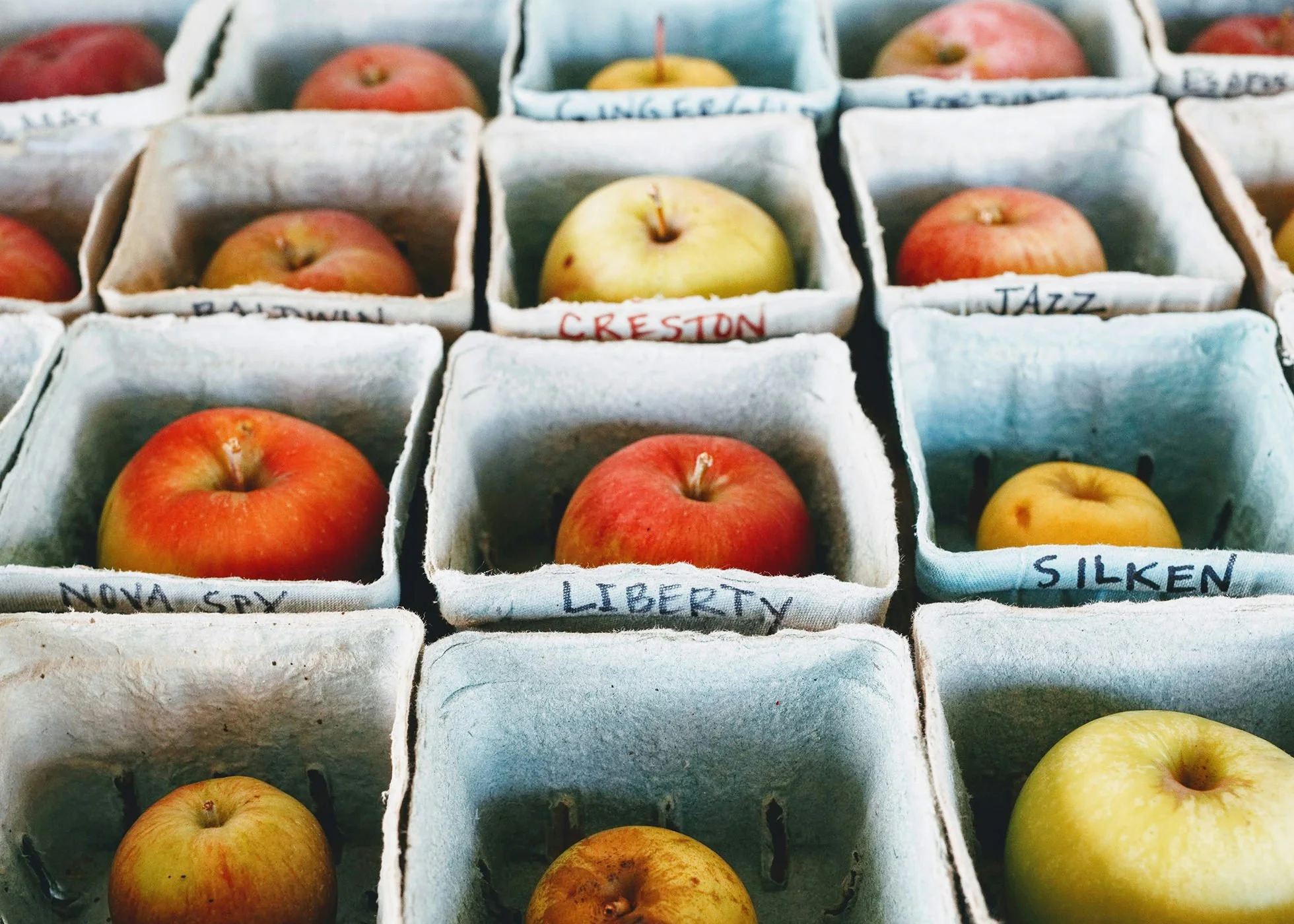
A range of heritage apples with unfamiliar names
So instead of tapping into the thousands of possible varieties we’re eating only a handful. That’s creating a serious monoculture problem. There are entire regions in China where pollination is done by hand because the insect life has disappeared due to intensive farming.The story in places like California is similar, where truckloads of bees are brought in to pollinate a crop then collected back up & used on the next crop.
Intensive monoculture farming is one of the quickest ways of destroying our ecosystem. If we were treating ourselves the same way we might try & avoid sleep, eat whatever junk food we wanted, forget about downtime to process our thoughts then take a multivitamin, thinking we’d be healthy & functioning at 100%. Basically we’d try to be as productive as possible, while trying to shape nature to our will. Does that sound like the kind of life that works for us any more than for crops?
That apple could’ve been picked last autumn
Even with apples being imported, in order for them to be on shelf all year round, they still need their shelf life stretched. To do that, apples are put in a controlled atmosphere & sprayed with 1-MCP (1-Methylcyclopropene). That means apples can be picked up to a year before they show up in store. Vitamin C content drops off a cliff during that process as does flavour & texture. Ever had a really fluffy, powdery apple? It’s probably been in storage for a long time.
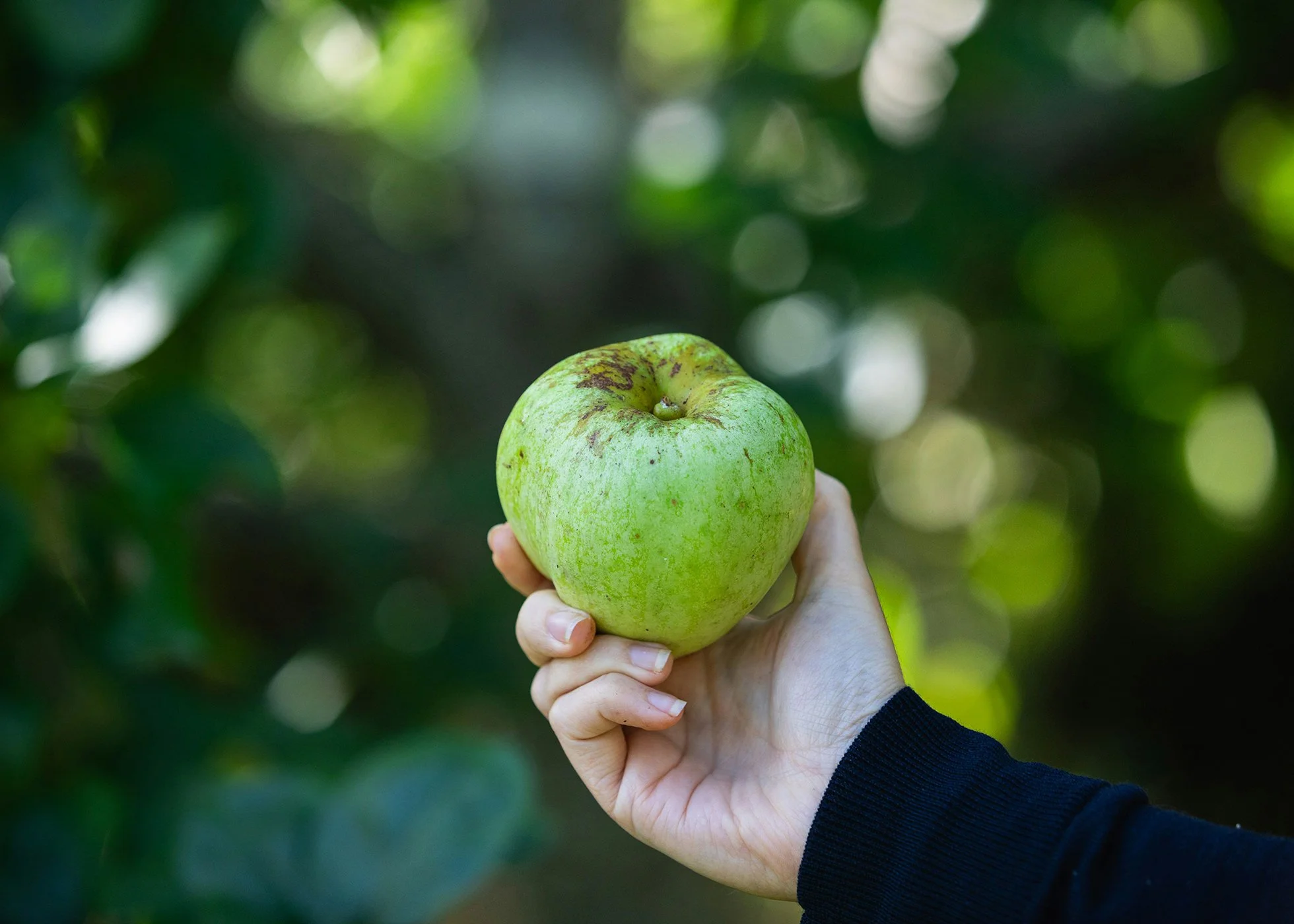
A bramley apple - not always for cooking with
It’s worth mentioning that although 1-MCP has been claimed to be non-toxic, at least to humans, it’s highly toxic to birds & worms but also toxic to fish & algae & how it works with microorganisms in soil is a complete unknown. Which means keeping apples on shelf throughout the year is helping destroy our ecosystem, flavour & nutritional content.
A full-grown tree on a toddler’s legs
Which brings us on to one of the stranger things about apple growing that I’ve learned. Most commercial apple trees consist of the rootstock & the fruit bearing part called the scion. To fit more trees per acre, a dwarf rootstock is paired with a full sized fruit bearing top. That’s like putting a full grown person on a toddler’s legs. The dwarf rootstock throttles nutrients, which raises questions about whether the apples are getting all the nutrients they need. Another feature of using dwarf rootstock is that it’s unable to support the weight of the regular sized apples so the branches have to be propped up.
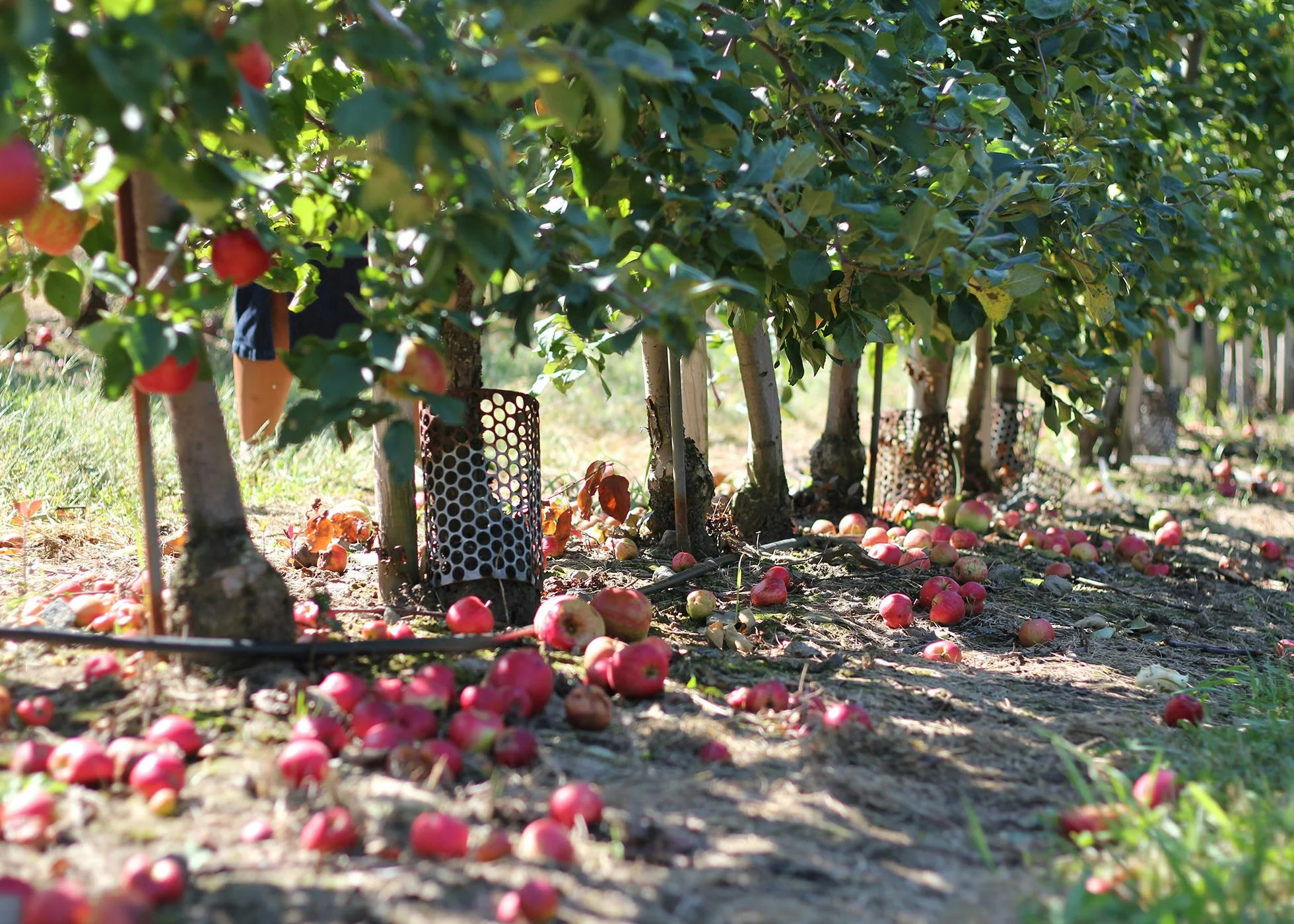
Tightly packed dwarf apple trees
Let’s also take a moment to think about the chemicals used to grow apples. PAN Europe did a study in 2026 that highlighted 85% of conventionally grown apples contained multiple pesticides. More than two thirds contained at least one PFAS class pesticide, linked to serious health concerns & more than a third contained neurotoxins. It’s worth mentioning the EU has been legally required to look into the effect of combinations of pesticides for over 20 years & still hasn't done it. Along with 1-MCP & wax & a potentially reduced nutritional spectrum, it’s fair to say you might want to pay attention to where you get your apples from.
Julie’s tips for buying apples
1. Watch out for super sweet apples Many supermarket apples, especially the bright pink ones, have been bred to be as sweet as possible. These are high in sugar & probably carry a chemical cocktail as well as having had a wax layer applied on the skin. The sweetness is an unnatural balance & trains you to want more sweetness in your diet, like sweets & chocolate.
2. Flavour changes through the season Early season apples are sweet & less complex (like Discovery). They ripen fast as starches are turned into sugars quickly. Going into autumn the cooler nights & longer time on the tree give more acidity & complexity (like Cornish Aromatic & Ashmead’s Kernel). Late season varieties are less sweet but have much more interesting flavour.
3. Check for the crunch If an apple feels soft rather than crisp, it’s likely been stored too long. Apples lose their nutritional value the longer they’re kept, especially vitamin C. Supermarket apples grown in the UK available after March have almost certainly been gassed or refrigerated to extend their shelf life, which is why you end up with soggy Granny Smiths.
4. There’s no such thing as a cooking apple Some apples start out as cookers but become dessert apples after storage. Most of Europe doesn’t call out cooking apples as any different to regular apples. There are several apples (like Bramley) that naturally become sweeter when stored long enough.
5. Don’t worry about bruises, unless… A bruise is just oxidation where the skin has been damaged. The apple itself is fine. However, if you’re storing apples at home, remove bruised ones, they speed up the deterioration of any apples stored near them.
6. Organic is good but there’s more to it Small local growers often can’t afford Soil Association certification but they may grow in a way that’s just as clean or better than certified organic. Just because it’s not organic doesn’t automatically mean pesticides & chemicals.
7. Where to buy Avoid the supermarket if you want good quality apples. Farm shops, farmers markets & box schemes are where you’ll find growers who can actually tell you how the apple was grown, when it was picked & where it came from. Speak to them to help you make the best decision about what to eat & when.