
Why is oat milk so sweet? The secret ingredient that doesn't appear on the label
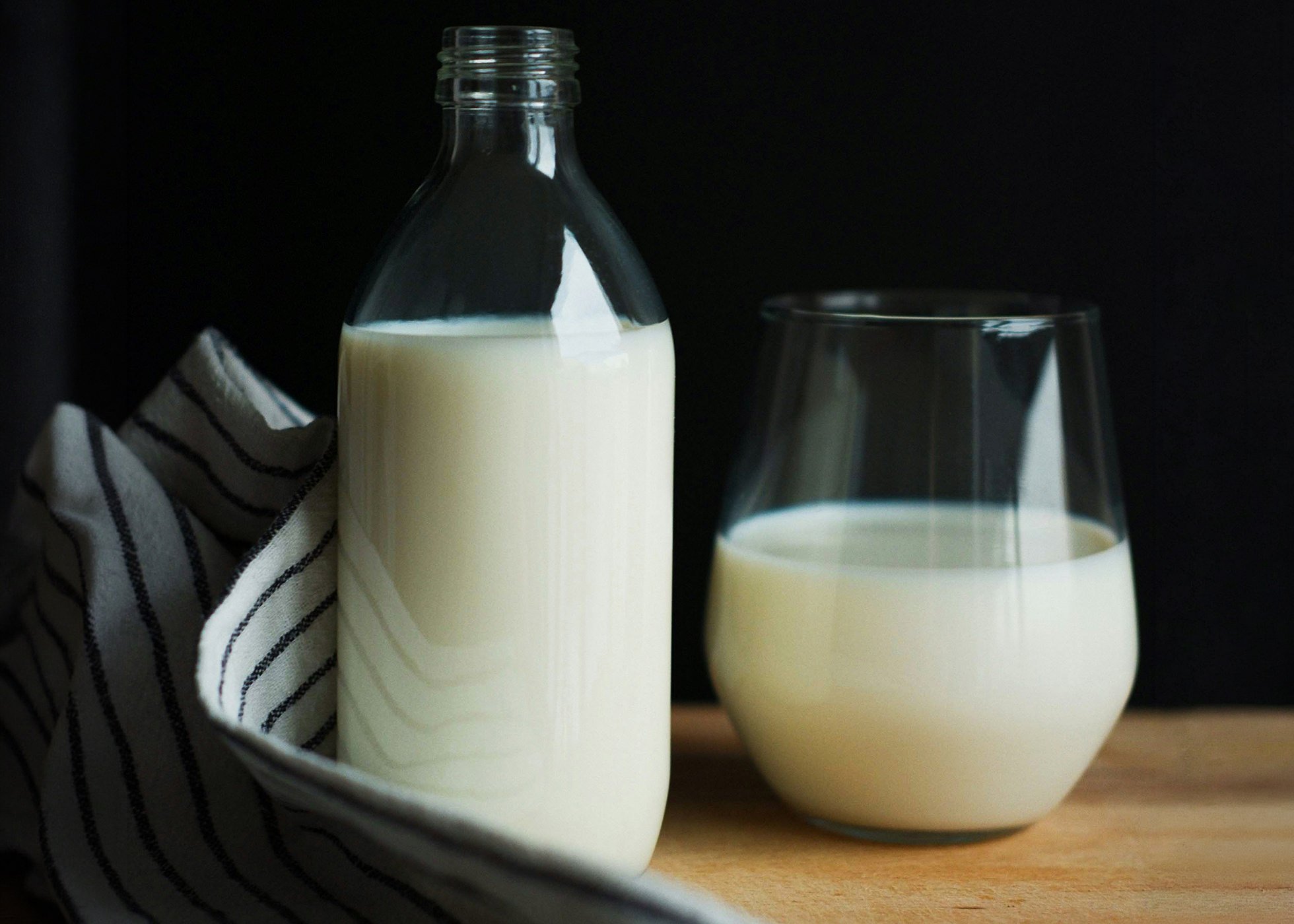
Why is oat milk so sweet? It's a question a lot of oat milk drinkers have asked & the answer has nothing to do with added sugar. It has everything to do with what happens during production that never makes it onto the label.
In fact the secret ingredient in oat milk isn't an ingredient at all
Making oat milk at home looks like this:
1. Grab a cup of oats.
2. Blend them in water for 5mins.
3. Strain.
You’re done. That’s literally it. Maybe add in some vanilla, salt or a date for sweetness but that’s it. But you know what’s not in that process? Enzymes, commercially processed oil, phosphates or a whole bunch of other additives & processing aids.
But for now let’s focus on enzymes.
First, just to say, I’m not going to go too deeply into costs here because that comes down to you & how you prioritise your diet but it’s worth pointing out that a cup of organic oats, where you get to choose how they’re sourced, is going to cost about £0.25. That’ll make you a litre of fresh oat milk. If you buy a litre carton of oat milk from a store that’ll cost you about £2.
But as you’ll see, there’s more than the quality of oats to consider in the commercial production of oat milk.
What even is an enzyme?
Enzymes help with your body’s processes like breaking down food, repairing cells & building muscle. You definitely want these. Your body creates tens of thousands & makes all the ones you need. There’s also enzymes present in many of the foods you eat. Think of them like a nice to have as they can help with digestion as well as other processes in your body.
Oat milk companies use enzymes to break down the oats. It liquefies the oats, which gives oat milk a creamy texture. The enzymes also break the starches into compounds like maltose.
Why is oat milk so sweet?
That maltose plays an important role. It’s a sugar & gives the milk a sweet taste. Even though maltose is sweet, it tastes less than half as sweet as table sugar (sucrose) so you’d need more of it to give you the same sweetness.
Is the sweetness in oat milk really so bad?
Also because maltose has a glycemic index of 105 compared to 58-70 for sucrose, it’ll probably spike your blood sugar higher than sucrose. You can find a calculation of the glycemic load for a glass of Oatly here. This post calculates Oatly gives a similar glycemic load to Coke. It’s not a peer reviewed scientific study but what I found really interesting was reading the comments, where at least 3 people had wondered why they felt sleepy after drinking Oatly. A blood sugar spike & the following crash would definitely do that.
So the enzymes convert the starches to sugars & maltose is the main one. The sweetness means you’ll want more of it. Research on pre-digested chickpeas suggests your gut won’t know when it’s had enough of a food that’s already broken down. So the sweetness in oat milk will make you want more & the fact it’s largely broken down means you’re likely to have more than you need.
One of the reasons oat milk companies like Oatly give for using enzymes is that you avoid the slimy texture of oat milk. But in my experience, when making oat milk at home you can avoid the slimy texture by not straining the oats too hard. It just depends how heavy handed you are when straining.
Where do the enzymes in oat milk come from?
But back to enzymes. Where do the enzymes come from? In commercial oat milk production the enzyme alpha-amylase (ɑ-amylase) is commonly used. It breaks down starches. You don’t have to use enzymes for processing oat milk commercially, there’s other ways of doing it like acid, alkaline treatment or sprouting but you don’t get the same sweetness & texture.
Is sweetness a selling point or a side effect?
The companies selling enzymes advertise them as adding sweetness & creaminess. For instance a company called Biocatalysts sells enzymes that give “Sweetness & Smoothness”. Whereas oat milk companies sell the idea that enzymes help break down the starches & a by product is that some sugars are produced.
So the extra sugars in oat milk get described as a selling point by the company that makes the enzymes but the company that sells to consumers calls it a side effect.
What else doesn’t have to be on the label?
Ever ask yourself, if the enzymes are such an important part of the process why don’t they have to appear on ingredient lists? That’s because they’re classified as "processing aids" & processing aids do not legally have to appear on the ingredient list at all.
This doesn’t just include enzymes, which are widely used in the food industry. In fact commercial oat milks can be processed using all sorts of things like proteases for texture, lipases for flavour & cellulases for fibre breakdown & yield. None of those will make it to the label.
The producer might also use an anti-foaming agent, a pH adjuster or chemical filtration & clarification aids. Again, none of those need to be shown on the label. That’s a lot of chemical manipulation going on behind your back.
The law doesn't require oat milk producers to disclose which specific organism their enzyme came from, what strain it is, whether it's genetically modified or how much residue is in the final product. There’s hundreds of enzymes approved for use in food used to tweak how a food or drink tastes. All without needing to declare any of them.
What else is in your oat milk?
I’d like to say the story stops with enzymes but oat milks have plenty more going on inside. There can be stabilisers like gellan gum, acidity regulators like dipotassium phosphate, emulsifiers like soya lecithin, oils like rapeseed oil, dietary fibre like maltodextrin & fortification with vitamins & minerals. Also, unless the oats are organic, the crop’s commonly sprayed with glyphosate (a known carcinogen to animals &a probable carcinogen for humans) just before harvest. There’s almost certainly pesticide residues on the oats themselves.
FAQs
Why is oat milk so sweet if there's no added sugar?
Because enzymes used in commercial production break the oats' natural starches down into sugars, mainly maltose. This process happens doesn't count as an added ingredient.
Why don't oat milk companies list enzymes on the label?
Because they're classified as processing aids rather than ingredients. Processing aids do not legally have to appear on the label in the UK, which means a lot of what goes into commercial oat milk production stays invisible to the consumer.
Is oat milk bad for blood sugar?
Maltose, the sugar created by the enzyme process, has a glycemic index of around 105, which is higher than table sugar. This calculation suggests a glass of commercial oat milk produces a similar blood sugar response to a glass of Coke, though this isn't from a peer reviewed study. If you're managing your blood sugar it's definitely worth being aware of.
So why is oat milk so sweet?
Why is oat milk so sweet? Because enzymes break the starches in oats down into sugars, mainly maltose. That process is chosen by oat milk companies because customers prefer the taste. The sweetness isn't an accident or coincidence. The enzymes that create it don't have to appear on the label.
If you want to know exactly what’s in your oat milk then make your own. If you want a rich & creamy taste then get it from the shop, it’s definitely convenient. Just understand there’s a lot more going on inside the carton than the ingredient list tells you.
I wanted to recommend some enzyme free oat milks but the only one I could find was Three Trees & that’s only in the US. If you have any suggestions I’ll add them here.