
Why your food isn't as nutritious as it used to be
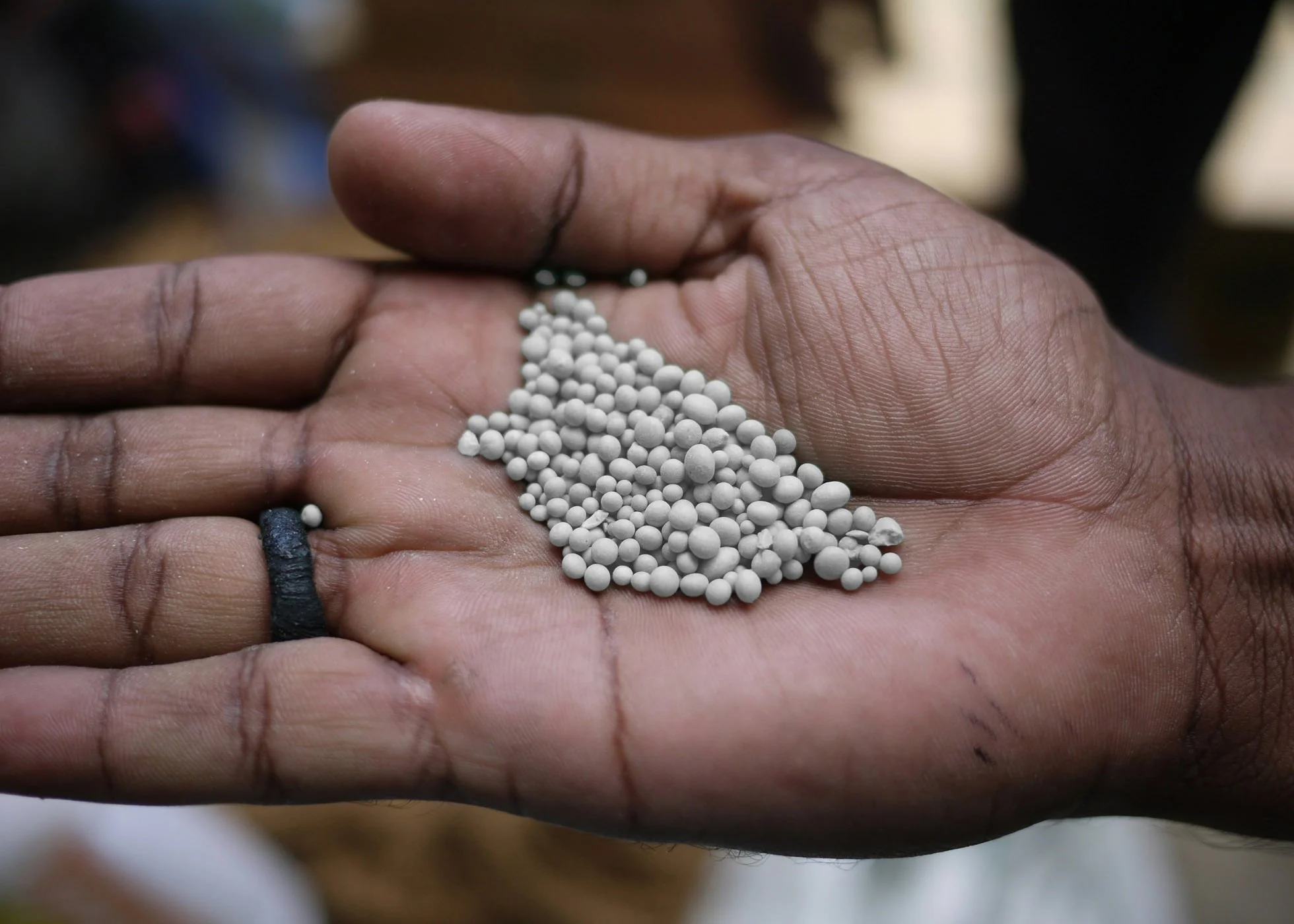
How synthetic fertiliser helps crops grow quickly but leaves them nutritionally empty & what that means for your diet.
Some nutritionists believe it’s impossible to get a full range of essential nutrients from food today. They say it used to be possible, nowadays not so much. That comes down to a number of reasons & one of those is fertiliser.
Fertiliser is a turbo charger for plants
What even is fertiliser? It’s a substance given to plants to help them grow by delivering nutrients they need. Just like us, plants need food to grow up healthy too. Nutrients like calcium, magnesium & zinc. There are 17 recognised nutrients & several other beneficial nutrients, that offer a full range of what plants need.
Organic vs synthetic: not all fertilisers are the same
There’s two categories of fertiliser. Organic & synthetic. Organic fertiliser is made up of naturally occurring ingredients like manure, animal bones & compost. Synthetic fertiliser is made industrially & consists mainly of a base of nitrogen (N), phosphorus (P) & potassium (K) often referred to as NPK fertilisers. You might find additives like calcium carbonate which can provide calcium & helps plants absorb nutrients by reducing soil acidity. Also sulphur can be added to help brassica crops like cabbage & kale.
Organic fertilisers work by feeding the soil. Microbes in soil break down the fertiliser, making nutrients readily available for plants but also feeding life in the soil & keeping the ecosystem healthy. Synthetic fertilisers deliver nitrogen, phosphorus & potassium directly to the plants. That’s a bit like you taking a shot of caffeine straight in your vein. You’d be highly energised but not in the most balanced way.
Your fruit & veg is less healthy for you than a few decades ago
There’s been several studies over the last few decades that show nutrition in crops has declined since the 1940s. This study investigated the nutrition of 29 fruits & vegetables from 1940 to 2019. These were the kind of everyday shopping basket products like carrots, cauliflowers & leeks.
It showed that the content of every mineral across the board dropped significantly during the period except phosphorus. Phosphorus is a key component of NPK fertilisers, which might explain why phosphorus levels didn’t fall. So our fruit & vegetables are not providing nearly as much nutrition as they were back in the 1940s.
Fertiliser usage has increased massively since WWII…here's why
When you look at synthetic fertiliser usage since WWII we use a lot more of it now. This data shows synthetic fertiliser usage increased by 340% between 1965 to 2024. After WWII, weapons manufacturers suddenly weren’t making weapons but they figured out they had the perfect stack of chemicals to make synthetic fertiliser so it looks like they kept themselves busy.
Synthetic fertiliser kills soil & the ecosystem
When synthetic fertilisers are used, because they deliver a narrow range of nutrients that feed crops directly, the soil is not being fed properly. Microbes that live on essential nutrients no longer have food to live on & that breaks the chain of the ecosystem. A balanced ecosystem like soil relies on every level to function properly. Remove one part of that system & it all starts to die off.
One teaspoon of soil contains a billion bacteria & that’s before getting into the mycorrhizal network & animal life, which all depend on each other. So the more synthetic fertiliser is used, the more life in the soil starts to die off. That’s killing the soil & it means crops grown in that soil aren’t getting the full range of nutrients they need.
Dead zones: what happens when large amounts of fertilisers are used
One of the problems with synthetic fertiliser is the amount being used. In Europe we use 11 million tonnes every year. When you’re using that much fertiliser there’s plenty that gets washed off when it rains or crops are watered. A lot of fertiliser runs off into rivers & oceans.
In fact about half of the nitrogen ends up in the water system. When those synthetic fertilisers hit water systems they massively accelerate the growth of algae present. Because this algal growth can happen on such a large scale it blocks out the sunlight & the algae starts to use up the oxygen in the water to the point that it’s impossible for life to survive.
It sounds crazy but there are huge dead zones out there like one in the Gulf of Mexico that in 2017 was bigger than the size of El Salvador. Nitrate pollution is considered one of the 5 greatest threats to global biodiversity & is a big cost for us as water companies have to filter it out of our drinking water & charge us for doing so.
Is fertiliser the only reason crop nutrition is down?
Fertiliser plays a part in nutrient decline in our crops but there are other factors to consider too. Crops are selected for yield over nutrient density. Rising atmospheric CO2 appears to cause a decline in nutrients as well, this could be because the CO2 encourages faster growing plants, which don’t have the time to draw nutrients from the soil properly.
During the last 80 years since NPK fertiliser use has increased so dramatically, crops have been fed with the big three nutrients (nitrogen, phosphorus & potassium) that make plants grow fast, while the minerals & essential nutrients that make food nutritious have been left to run down without being replaced. Growing plants need 17 essential nutrients but standard NPK fertiliser only replace three of those, leaving the soil low on everything else.
If we focused on organic fertilisers, while it’s true that yields might go down, imagine if crops became more nutritionally dense & we needed to eat less, were more healthy. The climate & ecosystem would benefit too.
What you can do about it
Organic growing does not allow synthetic fertilisers to be used. The main certifying body in the UK is called Soil Association, which as the name suggests has a focus on keeping soil health at its best.
If you’re buying your produce at a farmer’s market, speak to your grower about what kind of fertiliser they use. Just because it’s not organic doesn’t mean they’re using synthetic fertilisers.
Many nutritionists will tell you that it’s impossible to get a full range of nutrients from food nowadays & they’d recommend you take supplements. However supplements are treated as food so there’s no requirement to prove that the supplement works unless the product states they deliver a specific benefit.