
Are blueberries really a superfood?
Blueberries have been sold as a miracle food for decades. But who decided & where did the idea come from & is it even true?
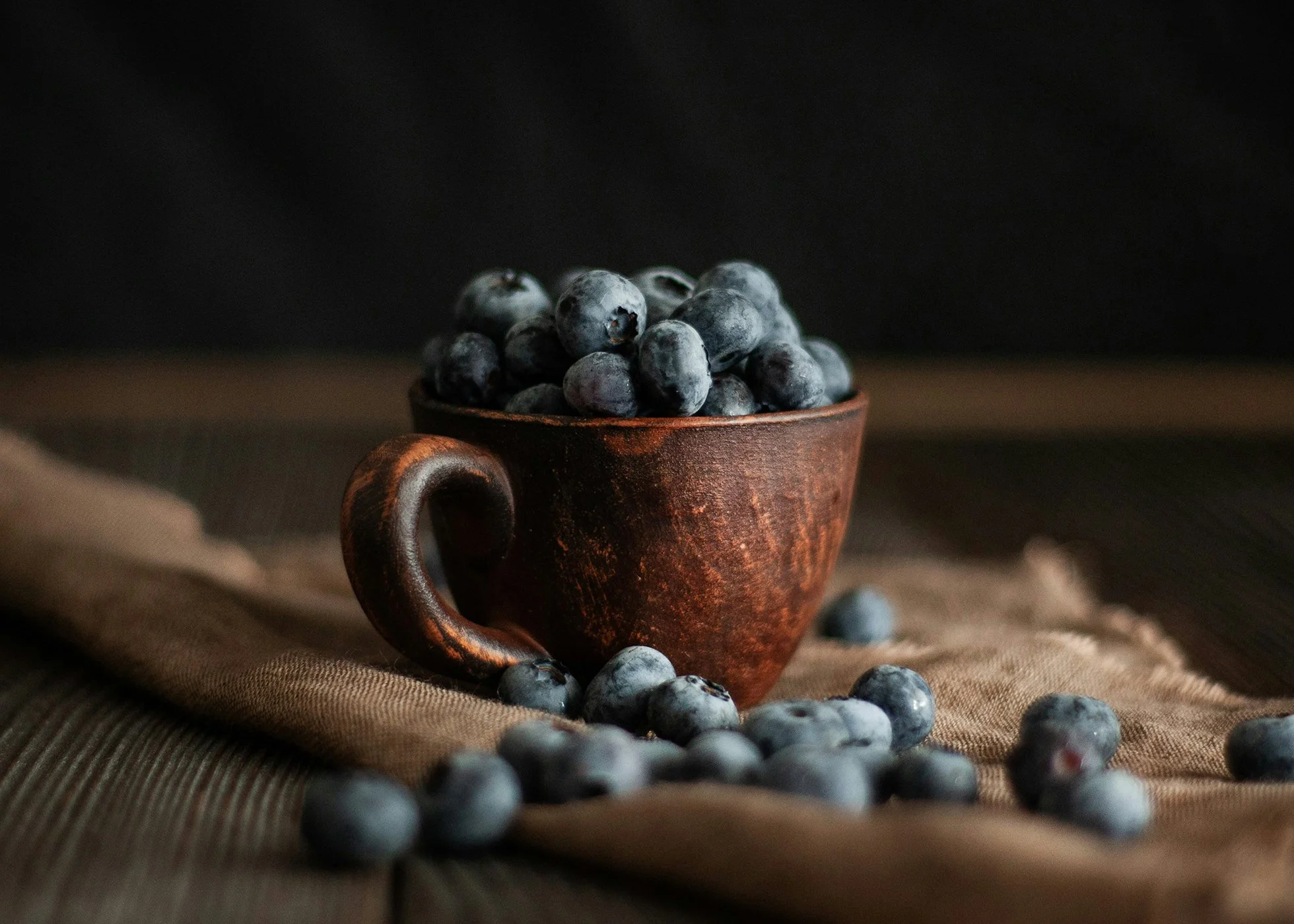
What makes a food a superfood?
The word superfood has been in use for over a hundred years but guess what? Health authorities don’t recognise it. It has no foundation in nutritional science.
In the EU, the word was effectively banned in 2007 & companies like Innocent & Jordan’s had to rebrand the word out of their ranges. Even dieticians & nutritionists see the word as a marketing term. In other words it’s not the scientists telling you about superfoods.
So what are companies talking about when they sell you a superfood?
How blueberries became a superfood
1917 - The word superfood was created by the marketing team of the United Fruit Company to help sell more bananas. If you ever want a horror story of corporate greed gone rogue with no moral compass, take a look into that company.
1956 - A study at UC Berkeley showed that free radicals contributed to aging. Also that antioxidants neutralised free radicals. In other words antioxidants are anti-aging.
1992 - A group of wild blueberry growers in North America wanted to find a way of increasing sales by showing their wild blueberries were better than conventionally farmed blueberries.
1996 - The US Department of Agriculture published an article highlighting that antioxidants were extremely beneficial for health. They also highlighted that blueberries had the highest antioxidant levels of any fruit tested.
1997 - The wild blueberry growers focused their advertising on the power of antioxidants found in blueberries. They started calling their blueberries a superfood.
1998 - The group of wild blueberry growers ran a full page ad in Health magazine claiming blueberries as number one for antioxidants.
The villain (free radicals) & the hero (antioxidants)
Research at UC Berkeley in the 1950’s linked free radicals with playing a part in aging. Without getting too deep into the science, free radicals attack things like DNA, proteins & cell walls. They seem to attack the very parts of your body you want to keep safe.
Luckily, there’s a hero against free radicals & they’re called antioxidants. These neutralise the corrosive behaviour of free radicals. Antioxidants come in forms you’ll recognise like vitamin C, vitamin E, beta-carotene & selenium. You can for sure find supplements for each of these but if you eat a balanced & healthy diet you shouldn’t need to. For reasons that you’ll see shortly, you probably don’t want to be taking antioxidant supplements.
In the 1990s the ORAC test (Oxygen Radical Absorbance Capacity) was created to compare the antioxidant levels of a variety of produce with how well they could neutralise free radicals. Blueberries performed extremely well.
When the results caught the eye of the Maine Wild Blueberry Commission they realised their wild blueberries contained high amounts of antioxidants & that’s when they started to promote them as a superfood.
If blueberries are so good, why do other foods score higher?
Although wild blueberries do well in the ORAC test, farmed blueberries score about half as well. But you know what scores better than even wild blueberries? Artichokes score 44% higher. Even pecans, walnuts & cranberries score higher. But unsweetened chocolate contains a massive 7.6 times more antioxidants than blueberries. So you're probably better off eating chocolate rather than blueberries if you want the benefits of the antioxidant effect.
Blueberries aren't the only superfood
Bananas at one time were considered a superfood. As well as blueberries, goji berries, acai & pomegranates have all had their time in superfood status. No doubt there will be more in future.
Why a pill isn't the same as a blueberry
But hang on, do antioxidants really help you live longer? Turns out there’s been plenty of research into this. Specifically, into antioxidants based on supplements not actual food.
In 2012, a review looked at 78 separate trials involving almost 300k people. It found antioxidant supplements didn’t increase life expectancy. In some cases they actually increased the risk of dying.
The important point to note is that this study was about supplements, not food. A supplement contains a single, isolated compound. A blueberry contains hundreds of compounds all working together in balance.
The real secret isn't a single food
When you look at the Mediterranean diet (a style of eating that’s followed in several of the Blue Zones), people eat foods that include a range of produce. They’re eating whole foods, fruit, vegetables, small quantities of fish & meat.
The focus isn’t on a single ingredient so it’s likely there’s something about the variety of foods they’re eating that keeps people healthy. When a diet reduces your risk of cardiovascular disease by 30% it’s probably worth paying attention to.
What’s important is not piling into a single food but more how a range of food works together. The likely conclusion is that all foods are superfoods.
So, should you still eat blueberries?
We live in a world where we're already at the limit of cognitive loading. Having to think through what foods to eat is an extra stress that most of us can't deal with. It's much easier to listen to the experts to tell us the one single, simple thing we need to eat to be healthy.
The only problem is what happens when the expert is really a marketing agency filtering complex science down to a sticky marketing tagline & only giving the perspective from something they're trying to sell.
To answer whether or not you should eat blueberries, the answer is absolutely yes. Although not because they're a magic ingredient that'll solve all your health problems. Blueberries are low in calories, high in fibre & they do contain antioxidants. The mistake is to expect blueberries to be the only food you need to eat for good health. Eat them as part of a varied diet & if you can get them grown locally, in season, freshly picked & grown in healthy soil, they're probably going to be better for you than a punnet that's spent six weeks in a shipping container.